William Keegan: Powerful Career, Inspiring Voice, Challenging Economic Views
Table of Contents
ToggleIntroduction
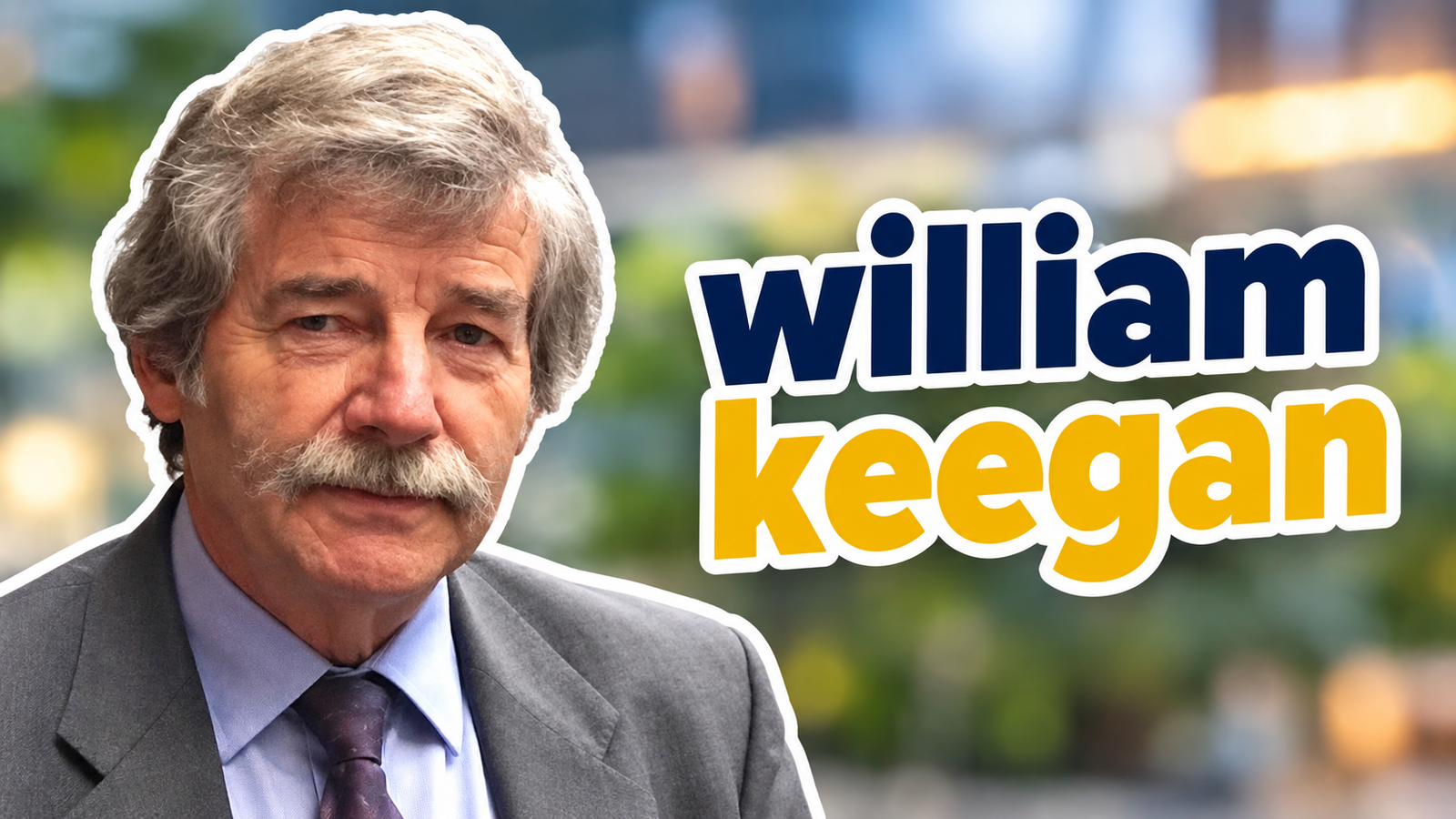
William Keegan is a distinguished British journalist, author, and economics commentator whose career has focused on Britain’s economy, financial affairs, and public policy. Born on 3 July 1938, he developed a reputation through decades of reporting and commentary for major British publications, particularly the Financial Times and The Observer. His work has combined journalism with academic and institutional experience, giving him a long perspective on Britain’s economic history.
Keegan is particularly associated with The Observer, where he became Economics Editor and later continued as a senior economics commentator. His career has also included work at the Bank of England, university teaching, and authorship of books examining important episodes in British economic and political history. His CBE, awarded in 2009 for services to financial journalism, represents a significant recognition of his contribution to the profession.
Quick Bio
| Category | Details |
|---|---|
| Full Name | William James Gregory Keegan |
| Known As | William Keegan |
| Date of Birth | 3 July 1938 |
| Birthplace | London, England |
| Nationality | British |
| Profession | Journalist, Author, Economics Commentator |
| Education | Wimbledon College; Trinity College, Cambridge |
| Military Service | Royal Tank Regiment, 1957–1959 |
| Major Publications | Financial Times, The Observer |
| Known For | British economic and financial journalism |
| Major Honor | CBE, 2009 |
| Major Book | Nine Crises |
| Brother | Victor Keegan |
| Spouse | Hilary, a barrister |
Early Life and Education
William Keegan was born in London in 1938 and was educated at Wimbledon College before attending Trinity College, Cambridge. His university years helped establish the foundations for a career that would eventually make him one of Britain’s longstanding economic commentators. His experiences at Cambridge also introduced him to journalism and the professional world he would later enter.
During his early years, Keegan developed a particular interest in journalism and economics. His own recollections of his early career describe his efforts to obtain opportunities in newspapers and his introduction to financial journalism. Before establishing himself professionally, he also completed national service with the Royal Tank Regiment between 1957 and 1959.
Beginning of His Journalism Career
Keegan began his professional journalism career at the Financial Times in 1963. He subsequently worked for the Daily Mail before returning to the Financial Times in 1967. His experience at these newspapers gave him an increasingly strong understanding of financial reporting and Britain’s economic institutions.
His work at the Financial Times became an important stage of his professional development. He spent years covering economics and financial affairs before moving into another unusual phase of his career at the Bank of England. This combination of journalism and institutional experience later influenced his approach to explaining economic events to a general readership.
Bank of England Experience
Between 1976 and 1977, Keegan worked at the Bank of England, including within its Economics Intelligence Department. He also served as an assistant to the Bank’s Governor during this period.
The experience provided Keegan with direct exposure to an important institution at the centre of Britain’s monetary and financial system. After leaving the Bank of England, he returned to journalism and began the long association with The Observer that became the defining part of his professional career.
Career at The Observer
William Keegan joined The Observer in 1977 and became its Economics Editor. He held that position until 2003, after which he continued contributing as a senior economics commentator. His regular Observer column has made him a familiar voice in British economic journalism for several decades.
His writing has covered economic policy, government finances, monetary affairs, British economic crises, Europe, and major changes in the country’s economic direction. Rather than limiting his work to immediate financial news, Keegan has frequently placed contemporary developments within the wider historical story of Britain’s economy.
Academic Career and Public Work
Alongside journalism, Keegan developed an academic career. He became a visiting professor of journalism at the University of Sheffield in 1989. In 2012, he was appointed a Visiting Professor at Queen Mary University of London.
His professional activities have also included participation in economic and public-policy discussions. His experience across newspapers, academia, and institutions such as the Bank of England has allowed him to approach economic subjects from several perspectives. This combination became an important feature of his public career.
Books and Major Publications
Keegan has written numerous books dealing with economics, politics, financial affairs, and British history. His publications include Mrs Thatcher’s Economic Experiment, Mr Lawson’s Gamble, The Spectre of Capitalism, The Prudence of Mr Gordon Brown, Saving the World? Gordon Brown Reconsidered, and Mr Osborne’s Economic Experiment.
He also co-authored Six Days in September: Black Wednesday, Brexit and the Making of Europe with David Marsh and Richard Roberts. Another important publication is Nine Crises: Fifty Years of Covering the British Economy from Devaluation to Brexit, which reflects on major economic events encountered during his long career in journalism.
Family Background and Personal Life
Publicly documented biographical information identifies journalist Victor Keegan as William Keegan’s brother. Victor Keegan also had a substantial career in British journalism, including senior editorial responsibilities at The Guardian. The two brothers therefore both became established figures in British newspaper journalism.
A published profile from 2009 reported that William Keegan was married to Hilary, a barrister, and that he had seven children, including four from an earlier marriage. These are the family details that have been publicly documented in reliable biographical coverage.
William Keegan Career Timeline
- 1938: Born on 3 July in London.
- 1957–1959: Completed national service with the Royal Tank Regiment.
- 1963: Began his professional career at the Financial Times.
- 1960s: Worked at the Daily Mail and later returned to the Financial Times.
- 1976–1977: Worked at the Bank of England.
- 1977: Joined The Observer.
- 1977–2003: Served as The Observer Economics Editor.
- 1978: Began his long-running regular Observer column.
- 1989: Became a visiting professor of journalism at the University of Sheffield.
- 2009: Received a CBE for services to financial journalism.
- 2012: Became a Visiting Professor at Queen Mary University of London.
- 2019: Published Nine Crises.
Awards and Professional Recognition
One of the most significant honors in Keegan’s career came in 2009 when he was appointed a Commander of the Order of the British Empire (CBE) for services to financial journalism. The honor formally recognized his contribution to British financial and economic reporting.
His long association with The Observer, university appointments, books, and participation in economic discussions have also contributed to his professional standing. His career demonstrates how specialist journalism can develop into a broader role involving publishing, education, and public commentary.
Influence on British Economic Journalism
William Keegan’s career has covered several generations of British economic change. His journalism has dealt with events ranging from sterling and economic crises to government policy, European affairs, financial instability, and Brexit.
His importance as a British journalist comes from the length and breadth of this experience. By combining reporting with historical analysis, Keegan has provided readers with explanations of economic developments while connecting current events with earlier periods of Britain’s economic history.
Conclusion
William Keegan is a British journalist and author whose professional life has been closely connected with economics and financial journalism. From the Financial Times and Bank of England to his decades at The Observer, his career has covered many of the major economic debates affecting modern Britain.
His books, academic appointments, long-running journalism, and 2009 CBE demonstrate the breadth of his professional contribution. As a British journalist, William Keegan remains particularly associated with explaining economic events through both contemporary reporting and historical perspective.
FAQ
1. Who is William Keegan?
William Keegan is a British journalist, author, and economics commentator known especially for his long career at The Observer.
2. When was William Keegan born?
William Keegan was born on 3 July 1938.
3. Where was William Keegan born?
He was born in London, England.
4. Where did William Keegan study?
He attended Wimbledon College and later studied at Trinity College, Cambridge.
5. Who is William Keegan’s brother?
His brother is journalist Victor Keegan, who had a long career at The Guardian.
6. Is William Keegan married?
Public biographical coverage has reported that he is married to Hilary, a barrister.
7. How many children does William Keegan have?
A published 2009 profile reported that he had seven children, including four from an earlier marriage.
8. What is William Keegan famous for?
He is best known for his long career covering British economics and financial affairs, particularly at The Observer.
9. What books has William Keegan written?
His books include Nine Crises, Mrs Thatcher’s Economic Experiment, The Prudence of Mr Gordon Brown, and Mr Osborne’s Economic Experiment.
10. What honor did William Keegan receive?
He was appointed a CBE in 2009 for services to financial journalism.